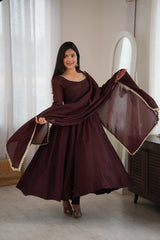
Pre-Stitched & Ready-to-Wear Sarees Explained for Beginners
Wearing a saree sounds easy until you're actually standing in front of the mirror at 7 AM with six metres of fabric and a function starting in an hour. If you've been there, you already know the panic. And if you're new to sarees entirely, well, that panic is real, and it's coming.
That's exactly why ready to wear sarees and pre stitched sarees exist. They take the hardest part out of the equation and let you look great without needing a 30-minute draping session or someone to help you every single time.
This guide is for beginners. We're talking zero experience, first-time saree wearers, or women who want a saree look without the stress of traditional draping. Let's get into what these sarees actually are, which fabrics work best for you, and what to pick first.
What Is a Ready to Wear Saree?
A ready to wear saree (also called a pre stitched saree or instant saree) is a saree that's already been draped, pleated, and stitched into a fixed shape. You just step into it, pull it up to your waist, and you're done. Some styles have a separate pallu attached to a blouse. Others come as one full piece with everything in place.
The difference from a traditional saree? Zero draping required. You don't need pins, you don't need practice, and you don't need someone standing behind you fixing the pallu every five minutes.
For beginners, this is genuinely a game-changer.
Ready to Wear Sarees vs Pre Stitched: Is There a Difference?

People use these terms interchangeably, but there's a slight difference worth knowing.
Ready to wear sarees are fully assembled. The pleats are permanently stitched, the pallu is fixed, and everything is attached. You wear it like a skirt-and-top combination with a saree look.
Pre stitched sarees are partially stitched. The pleats are sewn in and the underskirt portion is shaped, but you still drape the pallu yourself. More flexibility, slightly more effort, but easier than a full 6-metre drape.
Both are excellent for beginners. Which one you pick depends on how much control you want over the look.
If you want zero fuss, go fully ready to wear. If you want a bit more personal style in the pallu drape, pre stitched gives you that while still cutting your effort by half.
Best Fabrics for Beginner-Friendly Sarees
Not every fabric works the same way. Some hold pleats better, some drape effortlessly, and some are just more forgiving when you're still figuring things out. Here's what to look for as a beginner.
Georgette
This is probably the easiest fabric to start with. Georgette sarees drape beautifully, fall in soft folds, and don't crease as easily as silk or cotton. They're lightweight, which makes them comfortable even if the draping or stitching isn't perfect.
The Multicolour Printed Georgette Silk Saree at Rs. 899 is a genuinely good starting point. It's affordable, the print is festive enough for casual functions, and the georgette fabric is forgiving if you're adjusting the pallu.

The Dark Turquoise Jacquard Work Georgette Silk Saree and Olivine Jacquard Work Georgette Silk Saree, both at Rs. 799, add a bit of texture with the jacquard weave while staying within budget.
For printed georgette options with a folk art touch, the Mustard Yellow Warli Print Soft Georgette Saree and Red Warli Print Soft Georgette Saree, both at Rs. 699, are easy daily-wear picks.

Browse the full georgette sarees collection for more options across colours.
Cotton
Cotton is breathable, structured, and ideal if you're in a warm climate or wearing the saree for longer hours. It holds pleats well, which makes it easier to stitch pre-made pleats into that stay looking neat.
The Beige Ikkat Print with Zari Woven Cotton Saree at Rs. 870 is a solid choice: traditional print, clean structure, and a price that makes sense for a first buy.

For digital block prints, the Navy Blue Digital Block Printed Soft Cotton Saree and Beige Digital Block Printed Soft Cotton Saree, both at Rs. 1,200, have a clean everyday look that works for office, casual outings, and low-key functions.

The White Jaipur Block Print Soft Cotton Saree and Olive Green Jaipur Block Print Soft Cotton Saree at Rs. 1,299 each carry that classic hand-printed feel without looking overdressed for a casual day out.

Explore more at cotton sarees.
Moss Chiffon
Slightly thicker than regular chiffon, moss chiffon holds shape well without being stiff. It's a great middle ground for beginners who want a saree that drapes gracefully but doesn't shift around too much.
Crepe and Lycra
These are newer-age fabrics showing up in ready to wear sarees specifically because of how much stretch they offer. Forgiving on the body, easy to adjust, and they don't wrinkle. If you're looking for a very modern ready to wear option, check for crepe or lycra-based styles.
What to Avoid as a Beginner
Before the suggestions, here's what not to start with.
Heavy silk sarees: Kanjivaram, pure Banarasi, and other heavy silks are gorgeous but require proper draping to look right. As a pre stitched option they can be done, but they're heavier and more expensive for a first experiment.
Net sarees: These need a well-matched petticoat and a confident hand with the pallu. Not ideal for a beginner's first purchase.
Very long pallu styles: Some regional draping styles (like Bengali or Gujarati) have specific pallu placements that don't translate as easily to pre stitched formats.
Start simple. Pick a manageable fabric, a flattering colour, and a print or weave that doesn't need perfect draping to look good.
How to Choose Your First Pre Stitched Saree?
Step 1: Decide the Occasion
Are you buying it for daily wear, a small puja, or a wedding function? This changes everything. A printed cotton saree works for everyday use. A georgette or silk-look saree is better for celebrations.
For casual daily wear sarees, focus on cotton and printed georgette. For festive occasions, look at sarees with zari work or embroidery, even in a pre stitched format.
Step 2: Know Your Measurements
Even a pre stitched saree needs to be the right size. The waist drawstring in most styles adjusts, but the length matters. A saree that's too long will bunch at your feet, and one that's too short leaves a visible gap.
Check the saree size chart before ordering, especially if you're buying online. It takes five minutes and saves you a return.
Step 3: Pick a Forgiving Colour and Print
Solid dark colours and small prints are more forgiving for first-time wearers. They hide minor length issues, don't draw attention to imperfect pallu placement, and photograph well without effort.
If you're unsure where to start colour-wise, read how to choose saree colour according to skin tone. It's a quick read and genuinely useful.
Step 4: Set a Realistic Budget
Your first pre stitched saree doesn't need to be expensive. You're learning what works for your body and your comfort level. Start with something in the Rs. 599 to Rs. 1,399 range, which covers a wide variety of fabrics and styles.

Kalyanja's saree under 1000 section has solid options that don't compromise on look. The Sea Green & Pink Banarasi Work Banarasi Silk Saree at Rs. 599 is one of the most affordable festive-looking sarees in the collection.
Tips for Wearing a Pre Stitched Saree for the First Time
Even with a pre stitched saree, there are a few things that make a difference.
Pair it with a well-fitted blouse. The blouse is still the most important fitting element. A bad blouse fit shows more than anything else. If you're unsure about sizing, the blouse size chart helps.
Adjust the pallu before you step out. Even if it's pre-stitched, the pallu can shift during wear. Spend two minutes adjusting it in front of the mirror before leaving.
Wear the right footwear height. The saree hem should just skim the floor. Heels raise the hem slightly, flats lower it. Wear what you'll actually be wearing at the event when you try it on.
Pin the pallu to the blouse. Yes, even with ready to wear sarees, one small safety pin at the shoulder keeps the pallu from slipping. It's the single most useful trick for any saree wearer, beginner or not.
For more beginner-friendly tips, the guide on saree wearing mistakes covers common errors that even experienced wearers make. Worth reading before your first outing.
From Pre Stitched to Fully Draped: Making the Transition
Pre stitched sarees are a starting point, not a permanent solution. Once you're comfortable with how a saree looks and feels on your body, you'll naturally get curious about draping.
When you're ready, start with the Nivi draping style, the most common method across India. It's what most tutorials teach and what most sarees are designed for. Also read how to make saree pleats fast for busy women when you're ready to speed up your routine.
The more you wear a saree, any saree, the easier draping becomes. The pre stitched saree just gets you started without the barrier of having to learn everything at once.
Where to Start Shopping
If you're shopping online in India and want variety without having to browse ten different sites, Kalyanja's full saree collection is a good place to begin. Over 700 sarees across fabrics, occasions, and price points, starting from Rs. 599.
For beginners specifically, these sections are the most useful:
-
Casual wear sarees: Everyday styles, easy fabrics, practical options
-
Sarees under 1000: First-buy budget range
-
Cotton sarees: Structured, breathable, easy to manage
-
Georgette sarees: Lightweight, drapy, forgiving for beginners
Also read: ready to wear and stitched saree guide for a deeper breakdown of styles and what to expect.
The Short Answer
Ready to wear and pre stitched sarees are genuinely the best starting point for any beginner. They remove the hardest part of wearing a saree while still giving you the full traditional look. Start with georgette or cotton, keep your budget realistic, get the blouse fitting right, and don't overthink the rest.
The goal isn't perfect draping on day one. The goal is to feel comfortable and confident wearing something that reflects who you are. The rest comes with time.