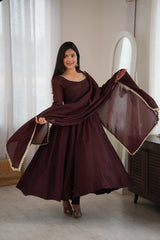
Best Godh Bharai Saree Colors & Fabrics for the Mother-to-Be
A godh bharai (literally 'filling of the lap') is one of the most joyful ceremonies in Indian tradition. Also called a baby shower in modern usage, this celebration honors the mother-to-be and her unborn child. Whether you're the expectant mother choosing what to wear, or a family member helping to dress her, this guide covers all the best sarees for godh bharai and baby shower ceremonies, from color traditions to fabric choices.
What is a Godh Bharai Ceremony?
A godh bharai is a traditional Hindu ceremony, usually held in the 7th or 9th month of pregnancy. In North India, it's called godh bharai. In Maharashtra, it's called dohale jevan. In South India, there are similar ceremonies called seemantham (Tamil Nadu) and valaikaapu (Tamil Nadu/Andhra Pradesh). In Bengal, it's called shaad.
The ceremony involves blessing the mother and child, filling the mother's lap with fruits, gifts, and sweets, and general celebration with family and friends. It's typically a vibrant, festive event, and the mother-to-be is the center of attention, dressed beautifully.
What Color Should the Mother Wear for Godh Bharai?
Color traditions vary by region, but there are some widely followed conventions:
-
Yellow (Haldi): Most traditional and auspicious for godh bharai in North India. Yellow represents good luck, new beginnings, and the sun's warmth. The yellow saree for godh bharai is perhaps the most iconic look.
-
Green: Especially popular in South Indian ceremonies like Seemantam and Valaikaapu. Green represents fertility, prosperity, and growth.
-
Pink: A modern and universally flattering choice. Not traditionally mandated but widely accepted.
-
Red and gold: For more elaborate ceremonies or combined with a girl-child prediction ceremony.
-
White: Less common for the mother but used in some communities as a symbol of purity.
4 Best Godh Bharai Saree Types for the Expectant Mother

1. Comfort is Non-Negotiable
The mother-to-be will be sitting for long periods, receiving guests, eating, and posing for photos. Whatever saree for a baby shower you choose, it must be comfortable for extended wear. Heavy silk sarees with stiff borders or heavy embellishments can become extremely uncomfortable after two or three hours in the third trimester.
2. Cotton Sarees: The Practical Choice
A soft handloom cotton or mulmul saree in yellow, green, or pink is the ideal baby shower saree for the mother. It's comfortable, breathable, and looks graceful. Dress it up with traditional jewelry and a beautiful hairstyle. Our baby shower sarees collection has lovely cotton options.
3. Georgette and Chiffon: Lightweight Elegance
If the family prefers a more 'dressy' look, a lightweight georgette or chiffon saree in ceremony colors is a great compromise. The flowy, lightweight fabric is easy to manage and doesn't add weight. Pair with a beautifully embroidered matching blouse for the full festive effect.
4. Silk Sarees: For Grand Ceremonies
For large, formal godh bharai ceremonies in families where elaborate dressing is the tradition, a light silk saree (not the heaviest Kanjivaram) works well. Choose silk-cotton or Mysore silk over heavy Kanjivaram or Banarasi for comfort. The drape should be adjusted to sit below the bump as described in our pregnancy saree guide.
Our godh bharai sarees collection has a range of options for different ceremony scales and budgets.
Top 4 Best Godh Bharai Sarees for Guests at Godh Bharai
If you're attending a godh bharai, the dress code is typically festive and colorful. Here's what works well:
-
Coordinate without matching: Don't wear the same color as the mother. If she's in yellow, go for coral, peach, or green.
-
Festive fabrics: Cotton, georgette, and lighter silks all work well for guests.
-
Traditional look: A classic saree with traditional jewelry looks respectful and festive.
-
Avoid white or black: In many Hindu ceremonies, white and black are not considered auspicious for celebratory occasions.
Our traditional sarees and festive sarees collections have beautiful options for guests.
Top 4 Regional Traditions for Godh Bharai Sarees
1. North Indian (Hindi Belt)
Typically, the mother-to-be is dressed in yellow (haldi) or green by her maternal family during the ceremony. The Sindoor ceremony (if she's married) usually happens during godh bharai too. A yellow or green handloom saree with traditional jewelry is the classic look.
2. Maharashtra: Dohale Jevan
In the Dohale Jevan ceremony, the mother wears her bridal Paithani or a new silk saree gifted by the maternal family. The colors are usually bright: peacock green, royal blue, or vibrant yellow. The traditional Maharashtrian Nauvari drape is sometimes used.
3. Tamil Nadu: Seemantham / Valaikaapu
The mother wears a green or yellow Kanjivaram silk saree with gold jewelry. The ceremony includes filling her lap with a banana leaf with fruits and coconuts. Green sarees are especially traditional.
4. Bengal: Shaad
The Bengali shaad ceremony has the mother dressed in a red and white saree (laal paar), a Bengali tradition. The combination of a red border on white cloth is the auspicious Bengali wedding and ceremony look.
Saree Styling Tips for Godh Bharai
-
Jewelry: Traditional gold jewelry with green glass or gold bangles is standard for North and South Indian ceremonies. Keep necklaces medium-length to avoid discomfort.
-
Hairstyle: A classic bun with flowers is the most traditional. A simple side braid is also beautiful.
-
Blouse: Choose a comfortable, slightly loose blouse with a manageable back tie. Avoid tight-fitting blouses. Our baby shower blouse collection has some great options.
-
Footwear: Flat sandals or low kolhapuris. No heels for the mother.
Frequently Asked Questions
What is the difference between Godh Bharai and a baby shower?
A baby shower is the Western equivalent of a godh bharai, though the traditions are different. Baby showers focus on gift-giving and games, while godh bharai has religious rituals, blessings, and cultural significance. Many modern Indian families incorporate elements of both in a hybrid celebration.
Can the mother wear a lehenga instead of a saree for godh bharai?
Absolutely. In many modern families, the mother chooses a maternity lehenga or anarkali suit, which can be more comfortable and easier to manage during the ceremony. The choice depends on family tradition and personal comfort.
What should the mother's sister or mother wear to godh bharai?
Family members typically dress in festive sarees or suits in complementary colors. The mother-to-be's color is usually reserved for her alone; family members should dress in other festive shades. Check our naming ceremony sarees for similar formal-festive options.