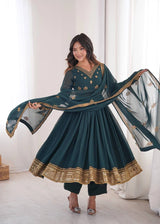
Bridal Saree vs Lehenga: How to Decide Right Wedding Outfit?
Choosing a bridal outfit is one of the biggest decisions of your wedding. Long before the jewellery or makeup, the real question appears:
Bridal saree or lehenga, which one should you choose?
Saree and lehenga are both traditional. Both are beautiful. And both can look stunning on a bride. Yet, the right choice depends on more than trends or opinions. It depends on comfort, body type, ceremony style, and how you want to feel on your wedding day.
This guide explains the difference between a bridal engagement saree and a bridal lehenga, and helps you decide what truly suits you.
Bridal Saree vs Lehenga: What's the Difference?

Before deciding, it helps to understand what makes these outfits different.
A bridal saree is a single long fabric, draped around the body with pleats and a pallu. It highlights tradition, elegance, and craftsmanship.
A bridal lehenga is a stitched three-piece outfit, made of a skirt, blouse, and dupatta. It gives structure, volume, and a modern bridal look.
Both outfits represent heritage, but they feel very different when worn.
Saree vs Lehenga: Which is More Comfortable for the Wedding Day?
Comfort is often overlooked, yet it matters the most.
A bridal lehenga offers ease of movement because it is pre-stitched. Brides who worry about pleats coming loose or managing the pallu often feel relaxed in a lehenga. It allows easier walking, sitting, and dancing.
A bridal saree, when draped well, can also be comfortable. However, it requires proper pinning and experience. Brides who are used to wearing sarees usually feel confident carrying one for long hours.
If your wedding involves long rituals, sitting on the floor, or moving between venues, comfort should guide your choice.
Which Looks More Traditional: Bridal Saree or Lehenga?
In terms of tradition, the bridal saree holds deep cultural value.
Across regions, brides wear iconic sarees such as Banarasi saree, Kanchipuram silk saree, Paithani saree, or Baluchari saree. These sarees are often passed down through generations and hold emotional meaning.
The bridal lehenga, while traditional today, became popular more recently through royal and North Indian wedding styles. It represents grandeur and celebration rather than regional heritage.
If honoring family tradition matters most, a saree may feel more meaningful.
Body Type and Fit: What Works Best?
Body type plays a major role in how an outfit feels and looks.
A bridal lehenga suits brides who want a structured shape and volume. It works well for balancing proportions and gives a uniform silhouette.
A bridal saree adapts more naturally to the body. Draping can be adjusted to highlight curves, soften areas, or create length. This makes sarees flexible for different body shapes.
Brides who feel confident in draping often prefer sarees, while those who want a fixed structure choose lehengas.
Wedding Ceremony Style and Outfit Choice
Your wedding format also influences the decision.
For traditional rituals, daytime ceremonies, or temple weddings, a bridal saree blends naturally with the setting. It feels respectful, graceful, and timeless.
For grand evening weddings, destination weddings, or receptions, a bridal lehenga matches the scale and visual drama of the event.
Think about where and how you will get married. The outfit should suit the environment, not fight it.
Movement, Sitting, and Rituals
Weddings involve more than standing for photos.
A lehenga makes walking and standing easier, but it can feel heavy during long sitting rituals. Wide skirts may need adjustment when sitting on the floor.
A saree, when draped properly, allows smoother sitting during traditional rituals. However, movement requires awareness of pleats and pallu.
If your wedding saree includes many traditional customs, this practical detail matters.
Styling and Jewellery Compatibility
Jewellery interacts differently with each outfit.
A bridal saree pairs beautifully with traditional jewellery like temple jewellery, gold necklaces, and heritage pieces. The pallu frames the jewellery naturally.
A bridal lehenga supports heavier, layered jewellery and bold styling. It works well with statement chokers, long necklaces, and dramatic dupatta drapes.
Choose the outfit that complements your jewellery vision.
Bridal Photography and Visual Impact
Photography plays a big role in modern weddings.
A lehenga creates dramatic, symmetrical images due to its volume and flare. It looks striking in wide shots and staged portraits.
A saree creates graceful, fluid images. The movement of the pallu adds softness and emotion to photographs.
If you want regal drama, a lehenga works well. If you want timeless elegance, a saree shines.
Budget Considerations: Saree vs Lehenga
Budget is another deciding factor.
A bridal lehenga often costs more due to heavy embroidery, stitching, and multiple components.
A bridal saree can range widely in price. While luxury silk sarees can be expensive, they often offer long-term value, as they can be reworn or passed down.
If you value reuse and legacy, a saree may be a smarter investment.
Emotional Connection and Personal Style
Beyond logic, emotions matter.
Some brides grow up dreaming of wearing their mother’s saree style. Others imagine themselves in a lehenga from childhood.
Ask yourself:
- What feels more to you?
- Which outfit makes you smile when you imagine wearing it?
Your wedding outfit should feel like an extension of your identity, not a costume.
Can You Wear Both? A Smart Bridal Choice
Many brides choose both.
A bridal saree for the wedding ceremony and a lehenga for the reception is a popular and practical choice. It allows you to honour tradition and enjoy modern style without compromise.
If budget and time allow, this option offers the best of both worlds.
Final Thoughts
There is no universal winner between a bridal saree and a bridal lehenga.
A saree offers tradition, flexibility, and emotional value.
A lehenga offers structure, ease, and visual drama.
The right choice depends on comfort, ceremony style, body type, budget, and personal connection.
When you choose what feels right for you, confidence follows naturally. And confidence, more than any outfit, makes a bride truly radiant.
That is how you decide, calmly, thoughtfully, and with joy.